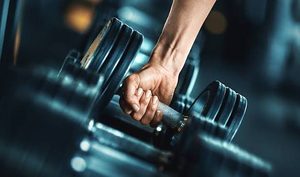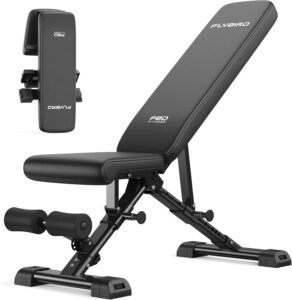

Weight Lifting
Weight lifting is a powerful form of exercise that not only builds muscular strength but also improves overall health and fitness. For beginners, stepping into the world of weight lifting can be both exciting and intimidating. In this guide, we will explore the essentials of weight lifting for beginners, offering tips and strategies to help you embark on your fitness journey with confidence.
The Importance of Weight Lifting
Weight lifting is more than just a means to build muscle; it offers numerous health benefits. Regular weight lifting can enhance bone density, boost metabolism, improve cardiovascular health, and increase endurance. Moreover, it plays a vital role in mental well-being by reducing stress and enhancing mood. Understanding these benefits can motivate beginners to commit to consistent training.
Setting Realistic Goals
Before starting your weight lifting journey, it’s important to set realistic and achievable goals. Whether your aim is to build muscle, lose weight, or improve overall fitness, having clear objectives will keep you focused and motivated. Start by defining short-term and long-term goals, and remember to celebrate small milestones along the way.
Understanding the Basics of Weight Lifting
1. Types of Exercises
Weight lifting exercises can be categorized into compound and isolation movements. Compound exercises, such as squats, deadlifts, and bench presses, work multiple muscle groups simultaneously. Isolation exercises, like bicep curls and leg extensions, target specific muscles. Beginners should focus on compound exercises to build a solid foundation.
2. Rep Ranges and Sets
Rep ranges and sets are crucial components of a weight lifting program. Beginners should start with a moderate number of reps (8-12) and sets (3-4) to build strength and endurance. As you progress, you can vary these numbers to match your goals, such as increasing strength or building muscle mass.
3. Rest and Recovery
Rest and recovery are integral to an effective weight lifting routine. Muscles need time to repair and grow stronger after being stressed during workouts. Ensure you get adequate rest between sets (1-2 minutes) and allocate 48 hours of recovery time for each muscle group before working it again.
Creating a Beginner’s Weight Lifting Program
1. Frequency and Duration
For beginners, a weight lifting routine should be manageable and sustainable. Start with 2-3 sessions per week, each lasting 45-60 minutes. This frequency allows for ample recovery time and helps prevent burnout. As you become more comfortable, you can gradually increase the number of sessions.
2. Exercise Selection
A balanced beginner’s program should include exercises that target major muscle groups: chest, back, shoulders, arms, legs, and core. Incorporate compound movements like squats, push-ups, rows, and overhead presses for a full-body workout. This approach ensures all muscle groups are engaged and developed evenly.
3. Progression and Variation
Progression is key to continued improvement in weight lifting. Gradually increase the weight you lift, the number of reps, or the difficulty of exercises to challenge your muscles. Additionally, vary your routine every 4-6 weeks to prevent plateaus and keep your workouts exciting.
Essential Weight Lifting Techniques
1. Proper Form and Technique
Maintaining proper form is critical to prevent injuries and maximize the effectiveness of your workouts. Focus on executing each movement with control and precision. If you’re unsure about your form, consider working with a trainer or using mirrors to monitor your technique.
2. Breathing and Bracing
Proper breathing and bracing techniques enhance performance and safety during weight lifting. Inhale deeply before starting a lift, brace your core, and exhale as you exert force. This technique helps stabilize your spine and maintain balance throughout the movement.
3. Mind-Muscle Connection
Developing a strong mind-muscle connection can significantly improve your weight lifting results. Concentrate on the muscles you’re working during each exercise, and visualize them contracting and relaxing. This mental focus enhances muscle engagement and overall performance.
Safety Tips for Beginners
1. Warm-Up and Cool Down
Proper warm-up and cool-down routines are essential for injury prevention. Spend 5-10 minutes warming up with dynamic stretches or light cardio to increase blood flow to your muscles. After your workout, cool down with static stretches to improve flexibility and reduce muscle soreness.
2. Listening to Your Body
As a beginner, it’s crucial to listen to your body and recognize its limits. Avoid pushing through pain or discomfort, as this can lead to injuries. If you’re experiencing persistent pain or fatigue, take a break or seek guidance from a fitness professional.
3. Hydration and Nutrition
Staying hydrated and maintaining a balanced diet are vital components of a successful weight lifting program. Drink plenty of water before, during, and after workouts to support muscle function and recovery. Additionally, fuel your body with nutrient-dense foods to provide the energy and nutrients needed for muscle growth.
Tracking Progress and Staying Motivated
1. Keeping a Workout Journal
Tracking your workouts in a journal can help you monitor progress and identify areas for improvement. Record details such as exercises, weights, reps, and sets to evaluate your growth over time. Seeing your progress in writing can boost motivation and encourage consistency.
2. Celebrating Milestones
Celebrate your achievements, no matter how small, to maintain motivation and a positive mindset. Whether it’s lifting a heavier weight or completing a challenging workout, acknowledging your progress fuels your determination to keep pushing forward.
3. Finding a Workout Buddy
Working out with a friend or joining a fitness community can enhance your weight lifting experience. A workout buddy provides support, accountability, and motivation, making your fitness journey more enjoyable and rewarding.
Conclusion
Embarking on a weight lifting journey as a beginner can be transformative and empowering. With the right mindset, knowledge, and dedication, you can achieve remarkable results and improve your overall health and fitness. Remember to start with achievable goals, prioritize safety, and enjoy the process of becoming stronger and more confident in your abilities. By following this ultimate guide to effective weight lifting, you’ll be well on your way to a healthier, stronger you.
#ChatGPT assisted in the creation of this article.