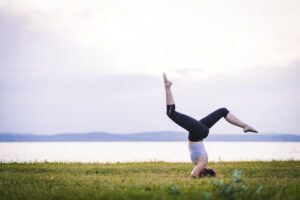

In today’s fast-paced world, maintaining optimal health and wellness can often feel like an uphill battle. With the demands of work, family, and social commitments, it’s easy to overlook the simple yet powerful practices that can significantly enhance our well-being. One such practice is daily full body stretching. Often underestimated, stretching can be a transformative tool that not only improves physical health but also enhances mental clarity and emotional balance. In this article, we will explore the myriad benefits of daily stretching, how to incorporate it into your routine, and the long-term advantages it can offer.
The Science of Stretching
Stretching is more than just a series of movements to limber up the body. It involves deliberate elongation of muscles and tendons, which increases muscle flexibility and joint range of motion. When performed regularly, stretching can lead to significant improvements in overall muscle function and posture.
From a physiological standpoint, stretching enhances blood flow to muscles, which aids in the delivery of essential nutrients and oxygen. This process not only supports muscle recovery and repair but also reduces the risk of injury. Additionally, stretching stimulates the production of synovial fluid, which lubricates joints and facilitates smoother movement.
Physical Benefits of Daily Stretching
Improved Flexibility and Range of Motion
One of the most immediate benefits of daily stretching is improved flexibility. Flexibility is crucial for maintaining a full range of motion in the joints, which is essential for performing everyday activities with ease. Enhanced flexibility can also prevent age-related stiffness and mobility issues, empowering individuals to stay active and independent as they age.
Enhanced Posture
Modern lifestyles, characterized by prolonged sitting and screen time, often result in poor posture. Stretching helps counteract these effects by lengthening tightened muscles and strengthening the supporting muscles of the spine. This can lead to improved alignment and a reduction in posture-related discomfort and pain.
Better Blood Circulation
Stretching encourages better circulation by increasing blood flow to the muscles. Improved circulation ensures that oxygen and nutrients are efficiently delivered to various parts of the body, promoting faster recovery and reducing muscle soreness. This can be particularly beneficial for individuals who engage in regular physical exercise.
Reduced Risk of Injury
By increasing flexibility and joint range of motion, stretching can significantly reduce the risk of injury during physical activities. It prepares the muscles for more strenuous movements by warming them up and increasing their elasticity, thus preventing strains and sprains.
Mental and Emotional Benefits
Stress Reduction
Incorporating stretching into your daily routine can serve as an effective stress management tool. Stretching promotes relaxation by encouraging the release of tension stored in muscles. This physical relaxation can translate to mental calmness, helping to reduce stress levels and improve overall mood.
Enhanced Mindfulness
Stretching provides an excellent opportunity to practice mindfulness. Focusing on your breath and the sensations in your body during each stretch can increase awareness and presence. This mindfulness practice can help decrease anxiety and promote a sense of well-being.
Improved Sleep Quality
Engaging in a stretching routine, particularly before bedtime, can improve sleep quality. Stretching helps relax the body and mind, making it easier to fall asleep and stay asleep throughout the night. As a result, individuals can experience enhanced restfulness and increased energy levels during the day.
Incorporating Stretching into Your Routine
Adding stretching to your daily routine doesn’t have to be time-consuming or complicated. Here are some tips to make it a seamless part of your day:
Create a Consistent Schedule
Consistency is key when it comes to reaping the benefits of stretching. Designate a specific time each day for your stretching routine, whether it’s in the morning, during a lunch break, or before bed. This regularity will help establish a habit and make stretching an integral part of your lifestyle.
Start with Simple Stretches
If you’re new to stretching, start with simple routines that target major muscle groups. Focus on areas that tend to accumulate tension, such as the neck, shoulders, back, and legs. As you become more comfortable, you can gradually incorporate more advanced stretches.
Listen to Your Body
Always pay attention to your body’s signals while stretching. Stretching should create a feeling of mild tension, but it should never be painful. If you experience discomfort, ease off the stretch and modify it to suit your flexibility level.
Use Proper Techniques
Proper technique is crucial for effective stretching and injury prevention. Ensure that you maintain proper alignment and engage in deep, controlled breathing throughout each stretch. Consider consulting a fitness professional or using online resources to learn correct stretching techniques if you’re unsure.
Incorporate Variety
To keep your routine engaging and effective, incorporate a variety of stretching exercises. Mix static stretches (holding a stretch for a period) with dynamic stretches (active movements) to target different areas of the body and achieve comprehensive benefits.
Long-Term Advantages of Daily Stretching
The benefits of daily full body stretching extend beyond immediate physical and mental gains. Over time, regular stretching can contribute to long-term health and wellness in several ways:
Chronic Pain Management
For individuals dealing with chronic pain conditions, such as lower back pain or arthritis, stretching can be an effective management tool. Stretching helps reduce muscle stiffness and improve joint mobility, alleviating discomfort and enhancing quality of life.
Improved Athletic Performance
For athletes and fitness enthusiasts, stretching is a vital component of training. It helps improve muscle coordination, balance, and power, contributing to enhanced athletic performance. Additionally, stretching aids in recovery, allowing athletes to train consistently and effectively.
Longevity and Quality of Life
By promoting flexibility, mobility, and overall physical health, daily stretching can contribute to longevity and an improved quality of life. Staying active, mobile, and pain-free allows individuals to engage in activities they love and maintain their independence as they age.
Conclusion
Transforming your health and wellness doesn’t always require drastic measures. Sometimes, the simplest practices, like daily full body stretching, can have the most profound impact. By dedicating a few minutes each day to stretching, you can enhance your physical flexibility, improve posture, reduce stress, and enjoy a sense of overall well-being. As you embark on this journey, remember to listen to your body, be consistent, and enjoy the process of nurturing your health through the art of stretching.
#ChatGPT assisted in the creation of this article.