
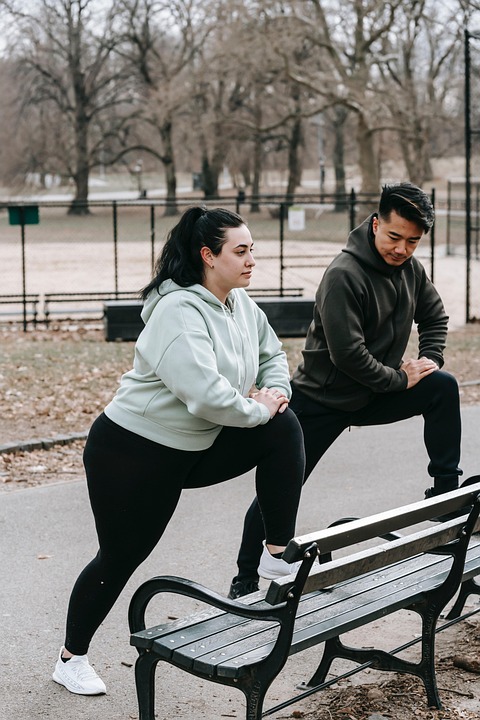
Exercise is a vital component of a healthy lifestyle, but its success hinges significantly on how you prepare your body. Warming up is a crucial step that sets the stage for an effective and safe workout session. It not only primes your muscles and joints but also elevates your heart rate, enhancing blood flow and oxygen delivery to your muscles. In this article, we will explore some of the top warm-up exercises that can significantly boost your workout success, ensuring you maximize your performance while minimizing the risk of injury.
The Importance of Warming Up
Warming up is akin to gently waking up your body, preparing it for more intense physical activity. It helps increase your body’s core temperature, enhances muscle elasticity, and stimulates neural pathways to improve muscle coordination and balance. Additionally, a proper warm-up can psychologically prepare you, creating a focused mindset that enhances performance and motivation.
Dynamic vs. Static Warm-Ups
When it comes to warming up, there are generally two types: dynamic and static. Dynamic warm-ups involve movement-based stretches and exercises that gradually increase intensity, while static warm-ups involve holding stretches in a fixed position. Research suggests that dynamic warm-ups are more effective in preparing the body for physical activity and are particularly beneficial for activities requiring power and agility.
Top Warm-Up Exercises
1. Jumping Jacks
Jumping jacks are a classic full-body exercise that raises your heart rate and enhances circulation. They are excellent for loosening up your shoulders, hips, and legs. Start with a slow pace, gradually increasing intensity. Jumping jacks not only warm up your muscles but also activate your cardiovascular system, making them an excellent inclusion in any warm-up routine.
2. Arm Circles
Arm circles are perfect for warming up the shoulders and increasing their range of motion. Stand with feet shoulder-width apart and extend your arms parallel to the floor. Begin making small circles, gradually increasing their size. This exercise enhances blood flow to the shoulders and helps prevent injuries, especially in workouts involving upper body exercises.
3. Leg Swings
Leg swings are effective in loosening up the hip joints and tendons. Hold onto a sturdy surface for balance and swing one leg forward and backward in a controlled motion. Repeat with the other leg. This dynamic stretching exercise prepares the legs for running, squats, and other lower body activities, helping to improve flexibility and reduce stiffness.
4. High Knees
High knees are a dynamic exercise that engage the core, improve cardiovascular fitness, and enhance leg muscle flexibility. Stand in place and rapidly lift your knees towards your chest, alternating legs. Keep the pace steady and maintain an upright posture. This exercise is particularly beneficial before engaging in running or other cardio-intensive workouts.
5. Walking Lunges
Walking lunges are excellent for warming up the lower body, particularly the quadriceps, hamstrings, and glutes. Take a step forward with one leg, lowering your hips until both knees are bent at a 90-degree angle. Push through the heel of your front foot to stand back up and step forward with the other leg. Walking lunges improve balance, coordination, and flexibility, making them an ideal warm-up for strength training sessions.
6. Butt Kickers
Butt kickers help to activate the hamstrings and improve the range of motion in the knees. Stand in place and jog, bringing your heels up towards your glutes in a fast-paced motion. This exercise enhances coordination and is particularly useful for warming up before running or other high-impact activities.
7. Torso Twists
Torso twists target the core and enhance spinal flexibility. Stand with feet shoulder-width apart and clasp your hands in front of you. Gently twist your torso to the right, then to the left, keeping your hips facing forward. This movement warms up the oblique muscles and reduces the risk of lower back injuries, especially in activities involving rotational movements.
8. Ankle Bounces
Ankle bounces are a simple yet effective way to warm up the calf muscles and ankles. Stand upright and bounce lightly on the balls of your feet. This exercise improves ankle mobility and stability, crucial for activities like running, jumping, and other fast-paced sports.
Creating Your Warm-Up Routine
Effective warm-up routines are tailored to the specific activities you plan to engage in. Consider the muscle groups that will be most involved in your workout and choose warm-up exercises that target these areas. A typical warm-up should last between 5 to 10 minutes and gradually increase in intensity, ensuring your body transitions smoothly into your workout. Remember to listen to your body and adjust the routine as needed to suit your fitness level and any existing injuries or limitations.
Benefits of a Proper Warm-Up
Incorporating a proper warm-up into your exercise routine offers numerous benefits. It enhances performance by optimizing muscle function and increasing the efficiency of the cardiovascular system. A good warm-up also reduces the risk of injuries by preparing the muscles and joints for the demands of physical activity. Additionally, it can improve mental focus, setting a positive tone for the workout ahead.
Common Mistakes to Avoid
While warming up is crucial, it is important to avoid common mistakes that can undermine its effectiveness. Avoid static stretching before workouts, as it can reduce muscle strength and performance. Instead, opt for dynamic movements that mimic the activities you will perform. Additionally, ensure your warm-up is not too intense, as overexertion can lead to fatigue before the main workout. Lastly, do not rush through the warm-up; give your body adequate time to transition smoothly into the exercise session.
Conclusion
A well-structured warm-up is a fundamental component of any successful workout routine. By incorporating dynamic warm-up exercises such as jumping jacks, arm circles, and walking lunges, you can enhance your physical performance and reduce the risk of injury. Tailor your warm-up to suit the specific demands of your workout, and remember to listen to your body’s signals. With these strategies in place, you can set the stage for a productive and enjoyable exercise experience, ultimately boosting your workout success.
#ChatGPT assisted in the creation of this article.