In the pursuit of optimal health and wellness, flexibility and recovery
play crucial roles. Whether you’re an athlete, a fitness enthusiast, or
someone looking to enhance their overall well-being, incorporating
effective flexibility and recovery strategies is vital. One such
strategy that has gained popularity is foam rolling. This simple yet
powerful tool can help improve flexibility, reduce muscle soreness, and
accelerate recovery. In this article, we’ll explore the benefits of foam
rolling exercises and how they can enhance your health journey.
Understanding Foam Rolling
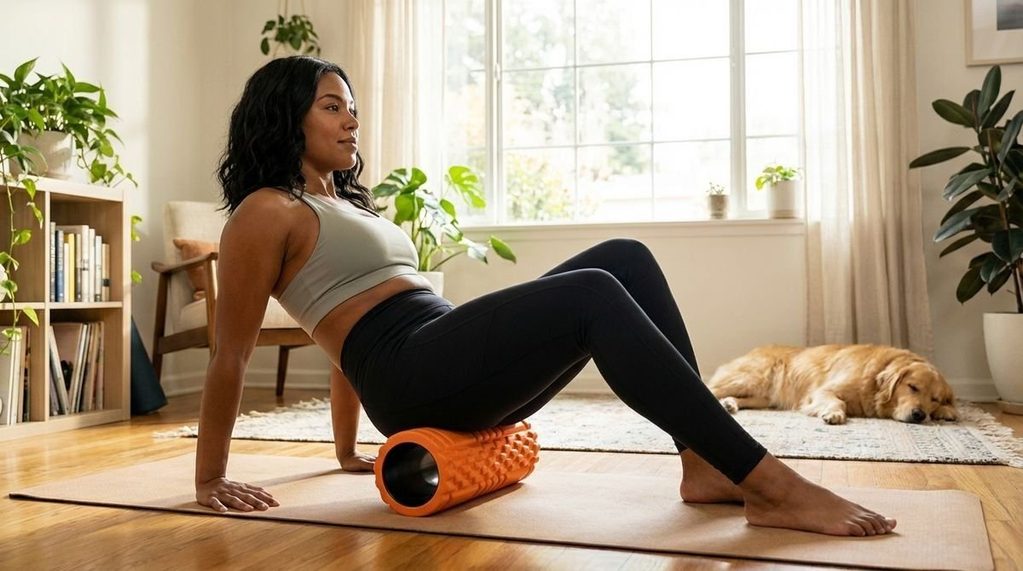
Foam rolling, also known as self-myofascial release (SMR), is a technique
that involves using a cylindrical foam roller to apply pressure to
specific areas of the body. The primary goal of foam rolling is to release
tension in the muscles and fascia, the connective tissue that surrounds
and supports muscles, bones, and organs. By targeting these areas, foam
rolling can help alleviate muscle tightness, improve circulation, and
promote a greater range of motion.
Benefits of Foam Rolling
Foam rolling offers a multitude of benefits for individuals of all fitness
levels. Some of the key advantages include:
- Improved Flexibility: Regular foam rolling can help
increase flexibility by reducing muscle stiffness and enhancing muscle
elasticity. This can lead to a greater range of motion and improved
performance in various physical activities.
- Enhanced Recovery: Foam rolling aids in the recovery
process by facilitating the removal of metabolic waste products from the
muscles. This can reduce muscle soreness and promote faster recovery
after workouts or intense physical activities.
- Injury Prevention: By releasing tension and tightness
in the muscles, foam rolling can help prevent injuries, particularly
those related to muscle imbalances and overuse.
- Improved Circulation: Foam rolling promotes blood flow
to the muscles, which can enhance nutrient delivery and waste removal.
This improved circulation supports overall muscle health and function.
- Stress Reduction: Foam rolling can have a calming
effect on the body, helping to reduce stress and promote relaxation. The
rhythmic motion and pressure applied during foam rolling can trigger the
release of endorphins, which are known to elevate mood and reduce
stress.
Foam Rolling Techniques
To reap the full benefits of foam rolling, it’s important to use proper
techniques. Here are some essential tips to keep in mind when
incorporating foam rolling into your routine:
Choose the Right Foam Roller
Foam rollers come in various densities and textures. Beginners may find
softer foam rollers more comfortable, while those experienced with foam
rolling may opt for firmer options. Textured rollers can provide a more
intense massage, targeting deeper muscle layers.
Focus on Key Muscle Groups
When foam rolling, pay attention to major muscle groups such as the
quadriceps, hamstrings, calves, glutes, and back. These areas often
experience tension and tightness due to daily activities or workouts.
Apply Controlled Pressure
Use your body weight to apply pressure on the foam roller. Start with
moderate pressure and gradually increase it as your muscles become
accustomed to the sensation. Avoid rolling directly over joints or bones.
Roll Slowly
Move the foam roller slowly over the targeted muscle group, spending
around 30 seconds to 2 minutes on each area. Slow and controlled movements
allow the muscles to relax and release tension effectively.
Listen to Your Body
Foam rolling should be uncomfortable but not painful. If you experience
sharp or intense pain, stop immediately and adjust your technique. It’s
essential to listen to your body’s signals and avoid overexertion.
Foam Rolling Exercises for Flexibility and Recovery
Incorporating specific foam rolling exercises into your routine can target
different muscle groups and address specific flexibility and recovery
needs. Here are some effective foam rolling exercises to consider:
Quadriceps Roll
The quadriceps, located at the front of the thigh, are often prone to
tightness. To perform a quadriceps roll:
- Begin by lying face down on the floor with the foam roller under your thighs.
- Use your forearms to support your upper body.
- Slowly roll from the top of your knees to the bottom of your hips.
- Focus on one leg at a time or both legs simultaneously.
Hamstring Roll
The hamstrings, located at the back of the thigh, play a crucial role in
flexibility and movement. To perform a hamstring roll:
- Sit on the floor with your legs extended and the foam roller under your thighs.
- Place your hands behind you for support.
- Roll from the base of your glutes to the back of your knees.
- Focus on one leg at a time or both legs simultaneously.
Calf Roll
Tight calves can impact your overall flexibility and mobility. To perform
a calf roll:
- Sit on the floor with your legs extended and the foam roller under your calves.
- Place your hands behind you for support.
- Roll from the base of your ankles to the back of your knees.
- Focus on one leg at a time or both legs simultaneously.
Glute Roll
The glutes are essential for stabilizing the hips and pelvis. To perform a
glute roll:
- Sit on the foam roller with one foot crossed over the opposite knee.
- Lean toward the side of the crossed leg.
- Roll from the base of your glutes to the top of your hips.
- Switch sides and repeat.
Upper Back Roll
The upper back can accumulate tension from poor posture and daily
activities. To perform an upper back roll:
- Lie on your back with the foam roller under your shoulder blades.
- Cross your arms over your chest or place your hands behind your head.
- Roll from the top of your shoulders to the middle of your back.
- Focus on one side at a time or both sides simultaneously.
Incorporating Foam Rolling into Your Routine
To maximize the benefits of foam rolling, consider incorporating it into
your regular fitness or wellness routine. Here are some tips to help you
get started:
Pre-Workout Warm-Up
Use foam rolling as part of your pre-workout warm-up to prepare your
muscles for exercise. Focus on the major muscle groups you’ll be
targeting during your workout.
Post-Workout Recovery
After your workout, use foam rolling to aid in muscle recovery and reduce
post-exercise soreness. Pay attention to any areas that feel tight or
fatigued.
Regular Maintenance
Incorporate foam rolling into your regular routine, even on rest days, to
maintain flexibility and prevent muscle imbalances. Consistency is key to
reaping the long-term benefits of foam rolling.
Combine with Stretching
Pair foam rolling with dynamic or static stretching to enhance flexibility
and improve overall muscle function. Stretching after foam rolling can
further elongate the muscles and improve the range of motion.
Conclusion
Foam rolling is a versatile and accessible tool that can significantly
boost flexibility and aid in recovery. By incorporating foam rolling
exercises into your routine, you can experience improved muscle function,
reduced soreness, and enhanced overall well-being. Remember to focus on
proper techniques, listen to your body, and make foam rolling a consistent
part of your health and wellness journey. Embrace the benefits of foam
rolling, and unlock your body’s full potential for flexibility and
recovery.
#ChatGPT assisted in the creation of this article.