Optimizing muscle growth is a goal shared by athletes, bodybuilders, and fitness enthusiasts alike. Central to this objective is the role of protein, often termed the building block of muscles. Protein intake is crucial for muscle repair, growth, and overall development. But how much protein do you need, and how should it be consumed for maximum efficacy? This article delves into the science of protein intake, the types of protein, timing, and the overall nutritional approach necessary to maximize muscle growth.
The Science Behind Muscle Growth
Muscle growth, or hypertrophy, occurs when muscle fibers increase in size. This process is driven by resistance training, which creates microscopic tears in muscle fibers. The body repairs these tears during rest, leading to an increase in muscle size and strength. Protein plays a vital role in this repair process. It supplies the amino acids necessary for muscle tissue synthesis, making adequate protein intake essential for those seeking to maximize muscle growth.
The Role of Protein in Muscle Synthesis
Proteins are composed of amino acids, which are vital for numerous bodily functions, including muscle protein synthesis (MPS). During this process, new muscle proteins are produced to repair and build new muscle tissue. The balance between muscle protein synthesis and muscle protein breakdown determines muscle growth. To promote growth, synthesis must exceed breakdown, a state known as positive protein balance.
Determining Protein Needs
The amount of protein needed for optimal muscle growth varies based on several factors, including age, sex, weight, and activity level. While the Recommended Dietary Allowance (RDA) for protein is 0.8 grams per kilogram of body weight per day for the average adult, this is often insufficient for those engaged in regular strength training.
For individuals focused on muscle growth, a higher intake is recommended. Research suggests that consuming between 1.6 to 2.2 grams of protein per kilogram of body weight per day is beneficial for athletes and those engaged in regular resistance training. This range supports muscle repair and growth without overloading the kidneys or other bodily systems.
Types of Protein: Complete vs. Incomplete
Not all proteins are created equal. Proteins are categorized into complete and incomplete proteins based on their amino acid profiles.
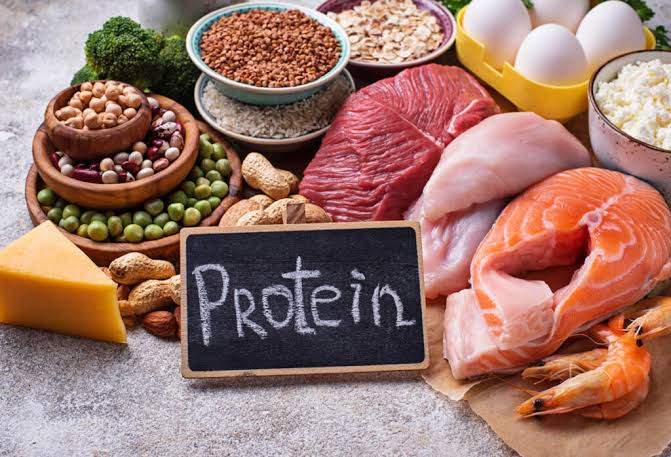
– **Complete Proteins:** These contain all nine essential amino acids that the body cannot produce on its own. Animal-based proteins such as meat, fish, eggs, and dairy products are complete proteins. Plant-based sources like quinoa and soy also fall into this category.
– **Incomplete Proteins:** These lack one or more of the essential amino acids. Most plant-based proteins, including beans, nuts, and grains, are incomplete. However, by combining different plant sources, such as rice and beans, one can create a complete amino acid profile.
For those aiming for muscle growth, incorporating a variety of protein sources to ensure a complete amino acid intake is crucial, especially for vegetarians and vegans.
Timing of Protein Intake
The timing of protein consumption can significantly impact muscle growth and recovery. The concept of nutrient timing revolves around consuming nutrients at strategic times to enhance their beneficial effects.
– **Pre-Workout:** Consuming protein before workouts can prime the muscles for repair and growth. A small protein-rich meal or shake about 1-2 hours before training can be beneficial.
– **Post-Workout:** The post-workout window is often considered the most critical time for protein intake. Consuming protein within 30 minutes to 2 hours after exercise can enhance muscle protein synthesis. This period is when muscles are most receptive to nutrients.
– **Evening Intake:** Consuming protein before bed can also support muscle repair and growth, as the body continues to synthesize protein during sleep. Casein, a slow-digesting protein found in dairy products, is ideal for this purpose.
Protein Quality and Digestibility
The quality and digestibility of protein sources also play a role in optimizing muscle growth. The Protein Digestibility Corrected Amino Acid Score (PDCAAS) is a measure used to evaluate protein quality based on amino acid content and digestibility. Proteins with higher PDCAAS scores are more effective in supporting muscle growth. For instance, whey and casein proteins have high scores, making them excellent choices for post-workout recovery.
Integrating Protein with Other Nutrients
While protein is paramount, other nutrients also contribute to muscle growth. Carbohydrates and fats, for instance, provide the energy necessary for intense workouts and recovery. The right balance of macronutrients can optimize muscle repair and growth.
– **Carbohydrates:** Carbohydrates replenish glycogen stores depleted during workouts, providing energy for subsequent training sessions. They also play an indirect role in muscle growth by enhancing insulin release, which aids in amino acid uptake by muscles.
– **Fats:** Healthy fats support hormone production, including testosterone, which plays a role in muscle growth. Including sources of omega-3 and omega-6 fatty acids can support overall health and recovery.
Supplements: Are They Necessary?
Protein supplements, such as whey, casein, and plant-based powders, are popular among those seeking muscle growth. While whole food sources of protein are preferable due to their complete nutrient profiles, supplements offer convenience and can help meet protein intake goals, especially post-workout when the body requires quick protein sources.
That said, supplements should complement a balanced diet rather than replace whole foods. It’s essential to choose high-quality products free from unnecessary additives and tested for purity.
Common Myths About Protein and Muscle Growth
Several myths surround protein consumption and its role in muscle growth. One common misconception is that more protein always equals more muscle. However, consuming protein beyond the body’s needs does not necessarily lead to additional muscle growth and can put strain on the kidneys. Another myth is that plant-based proteins are inferior to animal proteins. With careful planning, plant-based diets can provide all the essential amino acids necessary for muscle growth.
Conclusion
Optimizing muscle growth through proper protein intake involves understanding individual needs, choosing the right types of protein, and timing consumption effectively. By integrating high-quality protein sources with appropriate carbohydrates and fats, and leveraging supplements judiciously, individuals can maximize their muscle growth potential. Remember, consistency in diet and training, coupled with adequate rest and recovery, are key components of successful muscle building.
#ChatGPT assisted in the creation of this article.