In the ever-evolving world of fitness, finding effective and versatile workout tools is pivotal in maintaining motivation and achieving results. Resistance bands, often underappreciated, have emerged as a game-changer for fitness enthusiasts of all levels. They offer a unique blend of convenience, affordability, and adaptability, allowing you to transform your fitness routine without the need for bulky gym equipment. This article delves into the myriad benefits of incorporating resistance bands into your workouts, offering insights and exercises to help you maximize their potential.
The Benefits of Resistance Bands
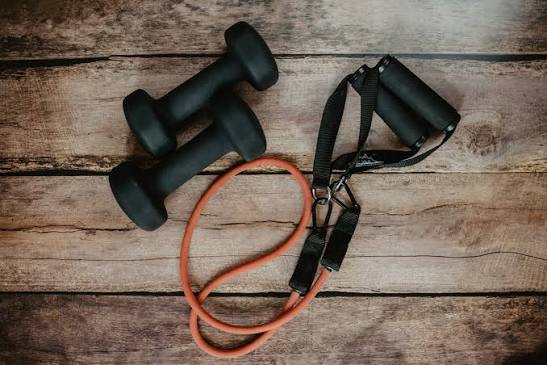
Resistance bands are elastic bands used for strength training and physical therapy. They come in various sizes, lengths, and resistance levels, making them suitable for a wide range of exercises. Here’s why they are a valuable addition to any fitness routine:
Versatility and Adaptability
Resistance bands can be used to target virtually every muscle group in the body. Whether you’re aiming to tone your arms, strengthen your legs, or improve core stability, these bands offer an endless array of exercises. They are highly adaptable, accommodating various fitness levels by simply adjusting the tension or using different band thicknesses.
Portability and Convenience
One of the standout features of resistance bands is their portability. They are lightweight and compact, making them perfect for travel or small spaces. You can easily fit them into a suitcase or backpack, ensuring that your workout routine remains consistent even when you’re on the go.
Cost-Effective Fitness Solution
Compared to traditional gym equipment, resistance bands are incredibly affordable. A set of high-quality resistance bands can cost less than a monthly gym membership, making them an economical choice for those seeking to enhance their fitness without breaking the bank.
Improved Muscle Strength and Tone
Resistance bands provide a constant tension that engages muscles throughout the entire range of motion. This continuous resistance helps in building muscle strength and improving muscle tone. Additionally, resistance bands can aid in muscle stabilization, as they require you to control the band’s movement, engaging smaller stabilizing muscles.
Joint-Friendly Workouts
For individuals with joint concerns or those recovering from injuries, resistance bands offer a low-impact workout option. The elastic nature of the bands reduces stress on the joints while still providing effective muscle engagement, making them ideal for rehabilitation and injury prevention.
Incorporating Resistance Bands into Your Routine
Now that we understand the benefits, let’s explore how you can incorporate resistance bands into your fitness regimen. Whether you’re a beginner or a seasoned athlete, these exercises can be adjusted to suit your fitness level.
Upper Body Exercises
1. Bicep Curls
- Stand on the center of the band with your feet shoulder-width apart.
- Hold the handles with your palms facing forward.
- Keeping your elbows close to your torso, curl the band upward towards your shoulders.
- Slowly lower the bands back to the starting position.
- Repeat for 12-15 repetitions.
2. Tricep Extensions
- Hold the band behind your back with one hand above your head and the other at your lower back.
- Extend your top arm, stretching the band upward.
- Slowly return to the starting position.
- Perform 12-15 repetitions on each arm.
Lower Body Exercises
1. Squats
- Stand on the band with feet shoulder-width apart and hold the handles at shoulder height.
- Lower into a squat position, keeping your chest up and knees behind your toes.
- Push through your heels to return to the starting position.
- Complete 15-20 repetitions.
2. Lateral Band Walks
- Place the band around your legs, just above your knees.
- Assume a slight squat position and step to the side, keeping tension on the band.
- Take 10-15 steps in one direction, then return to the starting position.
- Repeat for 2-3 sets.
Core Exercises
1. Russian Twists
- Sit on the ground with your knees bent and feet flat.
- Hold the band with both hands, stretching it across your chest.
- Lean back slightly and twist your torso to one side, then the other.
- Continue alternating sides for 12-15 repetitions.
2. Plank with Band Rows
- Get into a plank position with the band secured under one hand.
- Pull the band upward, bringing your elbow towards your ribcage.
- Lower the band back to the starting position.
- Perform 12-15 repetitions on each side.
Maximizing Your Resistance Band Workouts
To get the most out of your resistance band workouts, consider the following tips:
Focus on Form
Proper form is crucial in preventing injuries and ensuring that you’re effectively targeting the intended muscle groups. Take your time to learn each exercise and maintain good posture throughout.
Progressive Resistance
Just like with weights, you should aim to progressively increase resistance over time. This can be done by using thicker bands or doubling up bands to increase tension.
Incorporate Variety
To keep your workouts engaging and prevent plateaus, regularly switch up your exercises and routines. There are countless exercises that can be performed with resistance bands, so don’t be afraid to try new movements.
Conclusion
Resistance bands are a versatile, portable, and effective tool that can transform your fitness routine. Whether you’re a beginner looking to start a fitness journey or an experienced athlete seeking to diversify your workouts, resistance bands offer a plethora of benefits and exercises to help you achieve your goals. By incorporating them into your routine and following the tips provided, you can enhance your strength, flexibility, and overall fitness, all with the convenience of a simple, yet powerful tool. Embrace the power of resistance bands and take your fitness to new heights.
#ChatGPT assisted in the creation of this article.