In the world of fitness, the concept of a full body workout has gained immense popularity due to its efficiency and effectiveness. A full body workout targets all major muscle groups in a single session, offering a comprehensive approach to fitness. Whether you’re a beginner or a seasoned athlete, incorporating a well-rounded full body workout into your routine can lead to significant improvements in strength, endurance, and overall health. In this article, we will explore the components of an ultimate full body workout, its benefits, and how to tailor it to fit your fitness goals.
Benefits of a Full Body Workout
Before diving into the specifics of the workout, it’s important to understand why a full body workout is beneficial. Here are some key advantages:
Time Efficiency
By targeting multiple muscle groups in one session, you reduce the need for long, drawn-out workout routines. This is especially beneficial for those with a busy schedule who still want to maintain a consistent fitness regimen.
Improved Muscle Balance
A full body workout ensures that no muscle group is neglected, promoting balanced muscle development. This can help prevent injuries and improve overall functional fitness.
Increased Caloric Burn
Engaging multiple muscle groups simultaneously leads to a higher caloric expenditure, making it an effective workout for those looking to lose weight or maintain a healthy body composition.
Versatility
Full body workouts are versatile and can be performed with a variety of equipment or even just bodyweight, making them accessible for everyone, regardless of their access to a gym.
Components of the Ultimate Full Body Workout
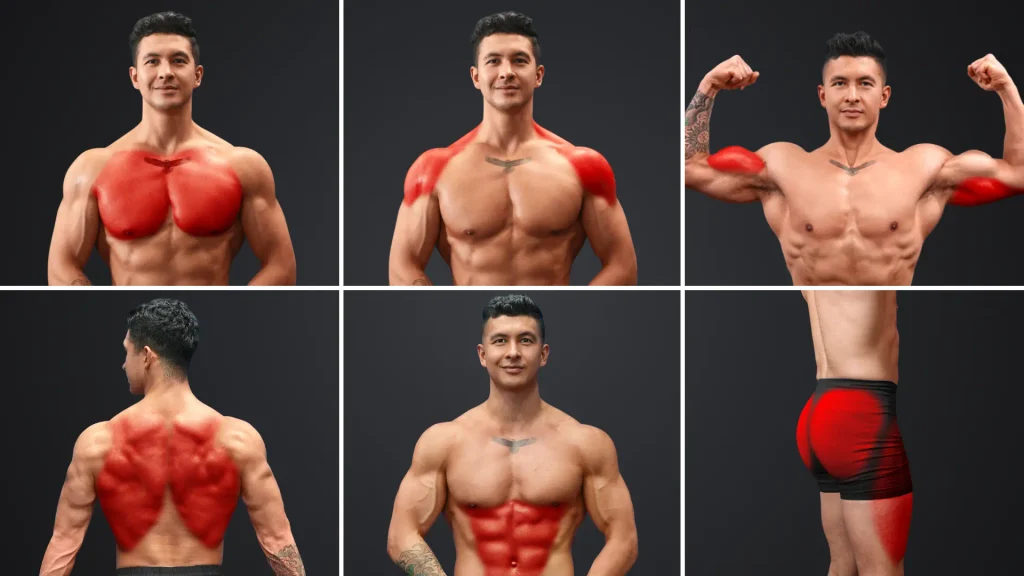
A well-structured full body workout should include exercises that target the major muscle groups: legs, back, chest, shoulders, arms, and core. Here’s a breakdown of a sample workout:
Warm-Up
Begin with a 5-10 minute warm-up to increase your heart rate and prepare your muscles for exercise. This could include light cardio such as jogging or cycling, combined with dynamic stretches like arm circles and leg swings.
Lower Body Exercises
1. Squats: Squats are a fundamental exercise for strengthening the quads, hamstrings, and glutes. Keep your chest up and your knees aligned with your toes as you lower your body.
2. Deadlifts: Targeting the posterior chain, deadlifts work the hamstrings, glutes, and lower back. Ensure proper form by keeping your back straight and lifting with your legs.
Upper Body Exercises
3. Push-Ups: A classic bodyweight exercise, push-ups strengthen the chest, shoulders, and triceps. Maintain a plank position and lower your body until your chest nearly touches the ground.
4. Bent-Over Rows: This exercise targets the upper back and biceps. With a slight bend in the knees, hinge at the hips and pull a barbell or dumbbells towards your torso, squeezing your shoulder blades together.
Core Exercises
5. Plank: Planks are excellent for building core stability. Keep your body in a straight line from head to heels, engaging your core and glutes.
6. Russian Twists: Sitting with your feet off the ground, twist your torso to each side, engaging the obliques. Use a weight for added resistance if desired.
Full Body Exercises
7. Burpees: A high-intensity exercise that works the entire body, burpees improve cardiovascular endurance while building strength. Start in a standing position, drop into a squat, kick your feet back into a plank, perform a push-up, and then jump back up to standing.
8. Kettlebell Swings: This dynamic movement targets the legs, back, and shoulders. Swing the kettlebell between your legs and up to shoulder height, using the momentum of your hips.
Tips for Success
To maximize the effectiveness of your full body workout, keep these tips in mind:
Focus on Form
Proper form is crucial to prevent injuries and ensure you’re targeting the right muscles. If you’re unsure about your technique, consider working with a trainer or using online resources for guidance.
Progress Gradually
Start with a weight and intensity level that challenges you without compromising form. Gradually increase the resistance or repetitions as you become stronger.
Listen to Your Body
Pay attention to how your body responds to the workout. If you experience pain (beyond typical muscle soreness), adjust the exercises or seek professional advice.
Rest and Recovery
Allow adequate time for rest and recovery between workouts. This is when your muscles repair and grow stronger. Aim for at least one rest day between full body workouts.
Tailoring the Workout to Your Goals
The ultimate full body workout can be adapted to suit various fitness goals:
Building Strength
Focus on lower repetitions (4-6) with heavier weights, ensuring that each set is challenging.
Improving Endurance
Increase the repetitions (12-15) and reduce rest intervals between sets to keep your heart rate elevated.
Weight Loss
Incorporate high-intensity interval training (HIIT) elements, such as shorter rest periods and circuit-style training, to boost caloric burn.
Conclusion
Transforming your fitness journey with a full body workout can lead to remarkable results in strength, endurance, and overall health. By targeting all major muscle groups in a single session, you maximize efficiency and effectiveness. Remember to maintain proper form, progress gradually, and listen to your body. With consistency and dedication, the ultimate full body workout can be a powerful tool in achieving your fitness goals. Whether you’re aiming to build muscle, improve endurance, or lose weight, this comprehensive approach to fitness is adaptable and beneficial for everyone. So, lace up your sneakers, grab your weights, and embark on the journey to transform your fitness and your life.
#ChatGPT assisted in the creation of this article.