
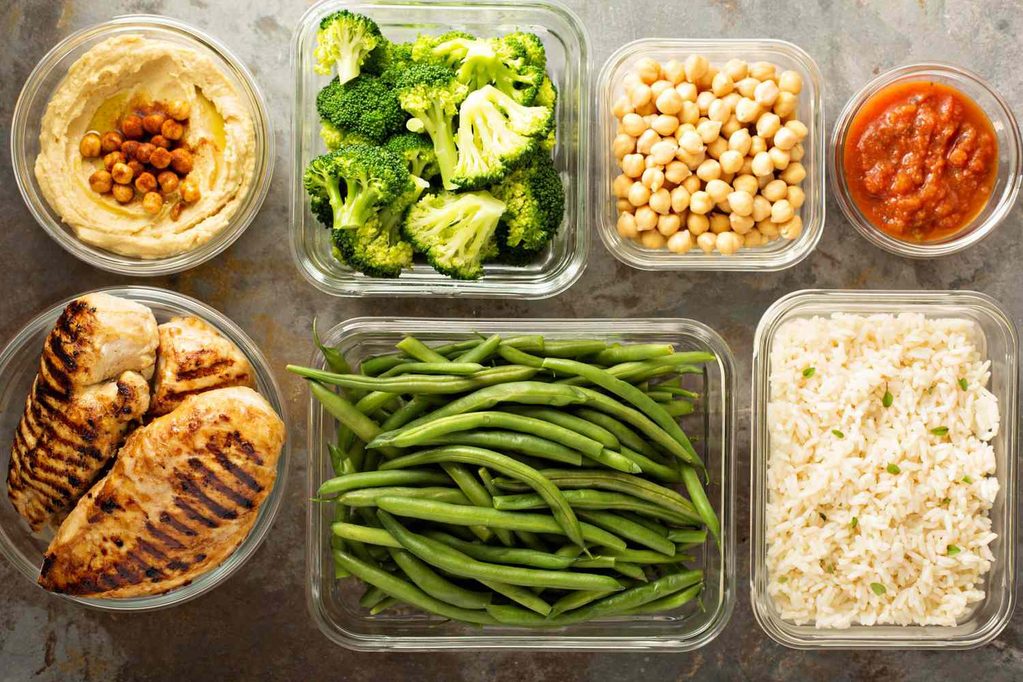
In today’s fast-paced world, weight management has become a pressing concern for many individuals. Achieving a healthy weight is not just about aesthetics; it’s intrinsically linked to overall wellness and longevity. The quest for a leaner physique often leads individuals to explore various weight loss strategies, with meal planning emerging as one of the most effective and sustainable methods. This article delves into a transformative weight loss meal plan designed to deliver fast results, while promoting long-term health.
The Science of Weight Loss
Weight loss fundamentally hinges on the principle of calorie deficit, where the energy expenditure exceeds energy intake. However, the quality of calories consumed significantly impacts weight loss outcomes and overall health. A meal plan that prioritizes nutrient-dense foods can enhance metabolism, reduce cravings, and promote fat loss while preserving lean muscle mass.
Key Components of a Transformative Meal Plan
1. Nutrient Density
Focusing on nutrient-dense foods is crucial for effective weight loss. These foods are rich in vitamins, minerals, and other essential nutrients, but relatively low in calories. Vegetables, fruits, lean proteins, whole grains, and healthy fats form the cornerstone of a nutrient-dense meal plan. By choosing foods that offer more nutrients per calorie, you maximize the nutritional value of your diet while minimizing calorie intake.
2. Balanced Macronutrients
A well-structured meal plan balances the three macronutrients: carbohydrates, proteins, and fats. Each macronutrient plays a vital role in the body:
- Carbohydrates: The body’s primary energy source. Opt for complex carbohydrates like whole grains, legumes, and vegetables to maintain energy levels and promote satiety.
- Proteins: Essential for muscle repair and growth. Include lean proteins such as chicken, fish, tofu, and legumes to preserve muscle mass during weight loss.
- Fats: Necessary for hormonal balance and nutrient absorption. Prioritize healthy fats from sources like avocados, nuts, seeds, and olive oil.
3. Portion Control
Portion control is a crucial aspect of any weight loss meal plan. Even nutrient-dense foods can contribute to weight gain if consumed in excess. Learning to recognize appropriate portion sizes is essential for maintaining a calorie deficit. Using smaller plates, measuring food portions, and being mindful of hunger cues are effective strategies to prevent overeating.
4. Meal Timing
The timing of meals can influence metabolism and energy levels. Regular meal intervals help stabilize blood sugar levels, prevent hunger-induced overeating, and promote consistent energy throughout the day. Aim for three balanced meals and one or two healthy snacks daily. Additionally, consider incorporating intermittent fasting, an eating pattern that cycles between periods of fasting and eating, which has been shown to aid weight loss and improve metabolic health.
A Sample Transformative Weight Loss Meal Plan
Here’s a simple yet effective meal plan designed to jumpstart your weight loss journey. It focuses on whole foods and balanced macronutrients while keeping calories in check.
Breakfast: Energizing Start
- Option 1: Greek yogurt parfait with mixed berries and a sprinkle of chia seeds.
- Option 2: Overnight oats made with rolled oats, almond milk, sliced banana, and a dash of cinnamon.
- Option 3: Vegetable omelet with spinach, tomatoes, and feta cheese, served with a slice of whole-grain toast.
Mid-Morning Snack: Nutrient Boost
- Option 1: A small handful of almonds and an apple.
- Option 2: Carrot sticks with hummus.
- Option 3: A protein smoothie with spinach, banana, and a scoop of protein powder.
Lunch: Balanced and Filling
- Option 1: Grilled chicken salad with mixed greens, cherry tomatoes, cucumber, and a vinaigrette dressing.
- Option 2: Quinoa bowl with black beans, corn, avocado, and salsa.
- Option 3: Turkey and avocado wrap with whole-grain tortilla and a side of mixed vegetable soup.
Afternoon Snack: Sustained Energy
- Option 1: Sliced bell peppers with guacamole.
- Option 2: A small handful of trail mix.
- Option 3: Cottage cheese with pineapple chunks.
Dinner: Satisfying and Nourishing
- Option 1: Baked salmon with roasted Brussels sprouts and quinoa.
- Option 2: Stir-fried tofu with broccoli, bell peppers, and brown rice.
- Option 3: Grilled shrimp with zucchini noodles and marinara sauce.
Evening Snack: Light and Healthy
- Option 1: Herbal tea with a square of dark chocolate.
- Option 2: A small bowl of mixed berries.
- Option 3: Sliced cucumber with a dollop of tzatziki.
Tips for a Successful Weight Loss Journey
1. Stay Hydrated
Proper hydration is essential for metabolism and can help control hunger. Aim for at least 8-10 glasses of water per day. Drinking a glass of water before meals can also aid in portion control.
2. Practice Mindful Eating
Mindful eating involves paying full attention to the experience of eating and drinking. This practice helps you recognize hunger and fullness cues, reducing the likelihood of overeating. Slow down, savor each bite, and avoid distractions like television or smartphones during meals.
3. Get Adequate Sleep
Sleep is often overlooked in weight loss efforts, but it plays a crucial role in regulating hormones that control hunger and metabolism. Aim for 7-9 hours of quality sleep per night to support your weight loss goals.
4. Manage Stress
Chronic stress can lead to weight gain by increasing cravings for high-calorie foods and promoting fat storage. Incorporate stress-reducing activities like yoga, meditation, or deep breathing exercises into your daily routine.
5. Stay Consistent and Patient
Weight loss is a gradual process that requires consistency and patience. Set realistic goals and celebrate small victories along the way. Remember that sustainable weight loss is more about creating a healthy lifestyle than achieving rapid results.
Conclusion
Embarking on a transformative weight loss journey requires a well-structured meal plan that emphasizes nutrient-dense foods, balanced macronutrients, and mindful eating practices. By adopting these strategies, you can achieve fast results while laying the foundation for long-term health and well-being. Remember, the key to successful weight loss is not deprivation, but rather a commitment to nourishing your body with wholesome foods and healthy habits.
As with any dietary change, it’s important to consult with a healthcare professional or a registered dietitian to ensure that the meal plan aligns with your individual health needs and goals.
#ChatGPT assisted in the creation of this article.